

Andrew Palmer, Group Editor
Classical Music: Brahms & Contemporaries, Volume 3
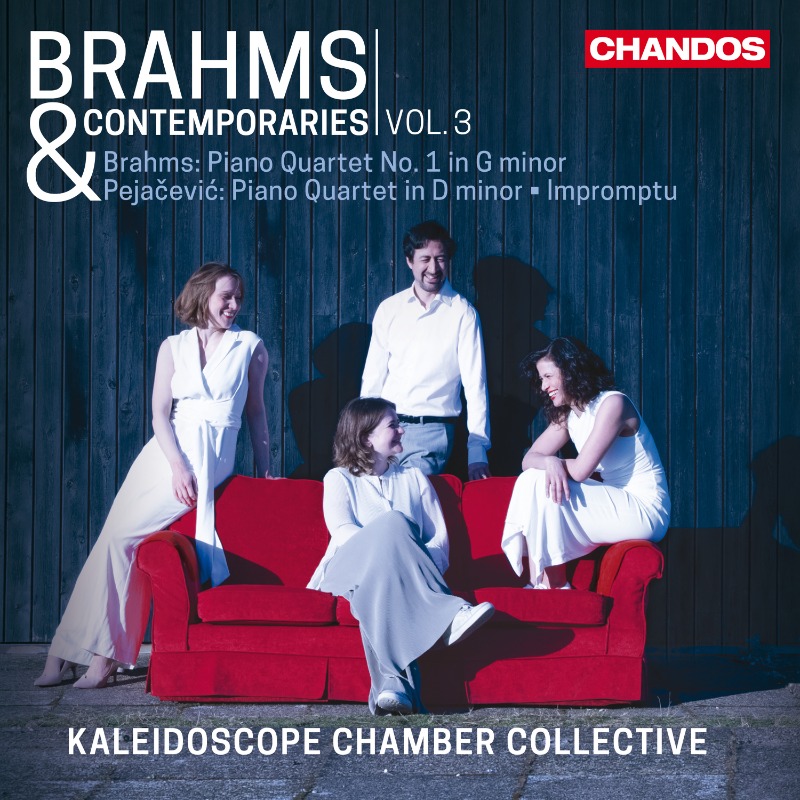
Johannes Brahms: Piano Quartet No. 1 in G minor, Op. 25 Dora Pejačević: Piano Quartet in D minor, Op. 25; Impromptu in A flat major, Op. 9.
Kaleidoscope Chamber Collective
Elena Urioste violin, Rosalind Ventris viola, Laura van der Heijden cello, Tom Poster piano
Chandos CHAN 20364
Chandos.net
Pejačević's quartet is unmistakably Romantic in sweep, written before her later, more modernist leanings took hold, and the Collective draws the listener in from that arresting opening chord. Tom Poster's piano introduction is marvellously judged, and Elena Urioste's violin sings with a tenderness that lingers long after the chromatic surges of the Allegro have passed.
The rhythmic pulse propels the movement forward with genuine urgency, but it is in the slow movement that the Collective's instinct for repose truly shines: Poster's lyrical opening is taken up by his colleagues with warmth and, intriguingly, a certain modesty of utterance. The intensity is held in check, yet the mark it leaves is indelible. The closing Rondo is captivating from the outset, lively and energetic, with superb use of pizzicato from Rosalind Ventris and Laura van der Heijden binding the texture.
By way of an encore, the disc offers Pejačević's charming Impromptu in A flat major, Op. 9b — a mere thirty-six bars lasting some three and a half minutes, written when the composer was just eighteen and exquisitely played. It is attractive and characterful music and a delightful coda to the larger works.
The main course, however, is Brahms's First Piano Quartet, justly among the best-loved of all chamber works and few more exhilarating to perform. The Collective's ability to listen to one another shows in every bar: dynamics and phrasing are adeptly weighted, the balance between instruments is judiciously calibrated, and Poster's piano playing is an absolute delight throughout — sparkling in the figuration, wonderfully measured in repose. The first movement is dispatched with confidence while the more delicate moments are tenderly observed; the abundance of glorious themes is allowed to breathe. The mysterious dreamworld of the Intermezzo is beautifully conjured, and the third movement luxuriates in its expansive lyricism with elegance and poise. Then the famous Rondo alla Zingarese takes flight: a build-up of intensity, full of emotion, that marvellous Hungarian theme dispatched with virtuosic flair from Poster and the strings dancing with high-octane energy to the finish line.