

Jeremy Williams, Arts Correspondent
Rob Jones & The Restless Dream
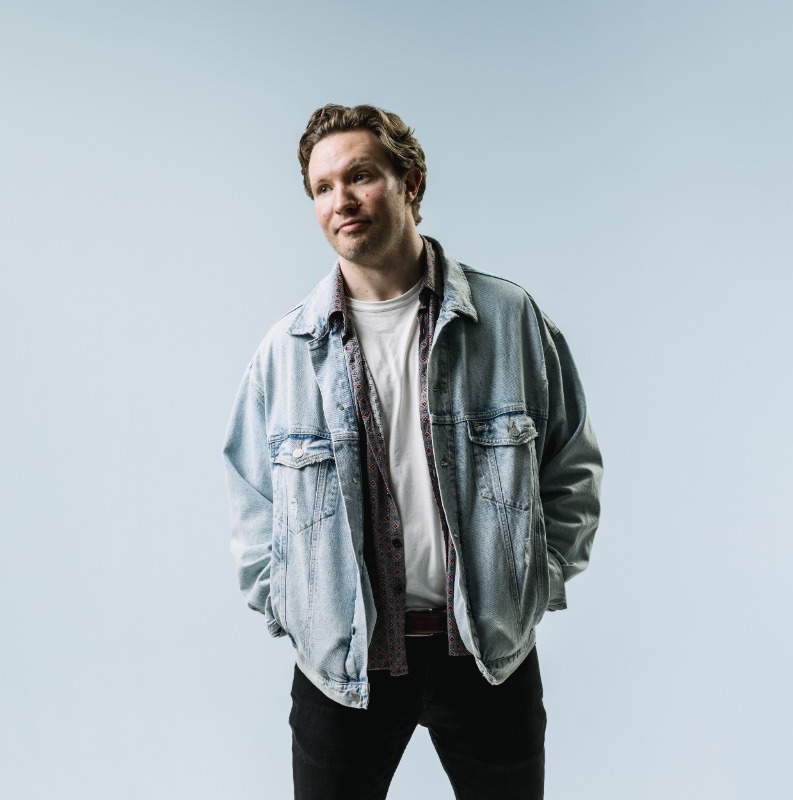
Rob Jones
After walking away from a career in teaching, Rob dedicated himself to music full-time, spending his early thirties writing songs that wrestled with meaning, identity, and the pull between comfort and adventure. The result is Stars, a new album that unfolds like a journey through long nights, false starts, and fleeting moments of hope, all set against the backdrop of summer nights, city lights, and the half-remembered past.
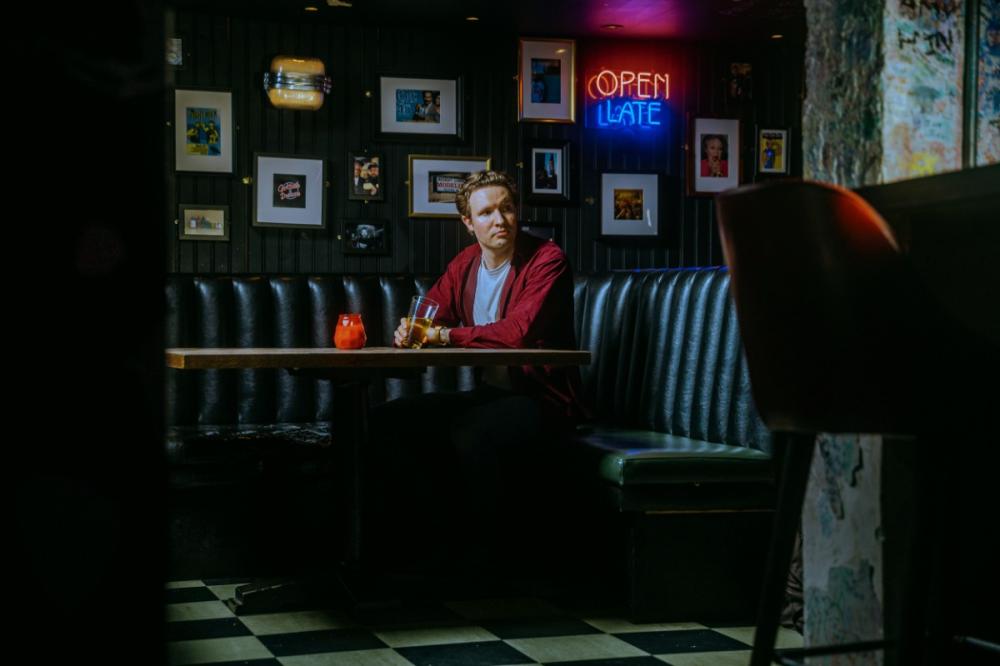
Rob Jones
I’d probably describe it more like a suffocating sense of rising panic. But that sounds a little dramatic. Maybe it was a media studies BTEC lesson in year ten. In truth, it was probably the pandemic. I suddenly found myself at home with nothing to do, no gigs to play, and this acute sense that I was living a life that didn’t mean enough to me.
How did your years as a teacher shape the way you write songs and tell stories?
I’m not sure – I think you probably can’t help absorbing ideas and influences from all the great poets and writers and then, in my case, failing to apply them. I think it probably helped me try to think around the usual conventions of the pop song and to bring a bit of poetry and perspective to bear.
You cite Bruce Springsteen and Tom Petty as influences. What specific qualities from their songwriting resonate most with you?
I think it’s just the sheer sense of joy that they’re able to capture. Something about a brilliant band exploding around an unusual voice, taking the song to places the singer can’t. I’ve always loved Bob Dylan for the same reason. There’s something magical about the contrast. They’re also brilliant storytellers. They make meaningful, powerful music - that’s all I’ve ever wanted to do.
Stars explores themes of meaning, identity, and adventure. Were there particular experiences in your early thirties that inspired these songs? The album feels like a journey through long nights and false starts. Was there a central narrative or concept guiding the record?
Absolutely. The songs are there to reflect the way I felt abandoning what had been my life and stepping out into the darkness. Stars were our earliest navigational tools – ways of keeping ourselves oriented in the black. That’s what these songs felt like to me. I didn’t know much: I only knew I wanted to write some songs and make a record. That idea was the faint light on the horizon I was able to stumble towards. Your early thirties are also an odd time to decide to reinvent yourself and take a risk like that. Your friends are all beginning to settle down, and you start thinking that maybe you aren’t that young anymore (to quote The Boss). That’s why the album is filled with strange, lonely characters. It’s sort of how I felt, wandering through Manchester from bar to bar, playing cover versions to nobody, trying to scratch together enough money to make the record.
Many of your songs balance nostalgia with hope. Why do you think those emotions work so well together in storytelling?
Well, I think they’re just enduring, powerful themes. Especially as you begin to get older, nostalgia becomes so seductive. Musically, I’ve always been more interested in the past than the present. And in an increasingly strange and isolating world, the past seems safe. But I’m also an eternal optimist. How else do you explain a decision to become a singer/songwriter?
How does the Restless Dream in your project's name reflect your personality and creative outlook?
I think it captures that nagging sense of unease that we all feel - that, somehow, we were made for something more. It’s the name I put to the quiet voice that wakes you up at 3am. Mine just got so loud I couldn’t continue to ignore it. And it still hasn’t gone anywhere.
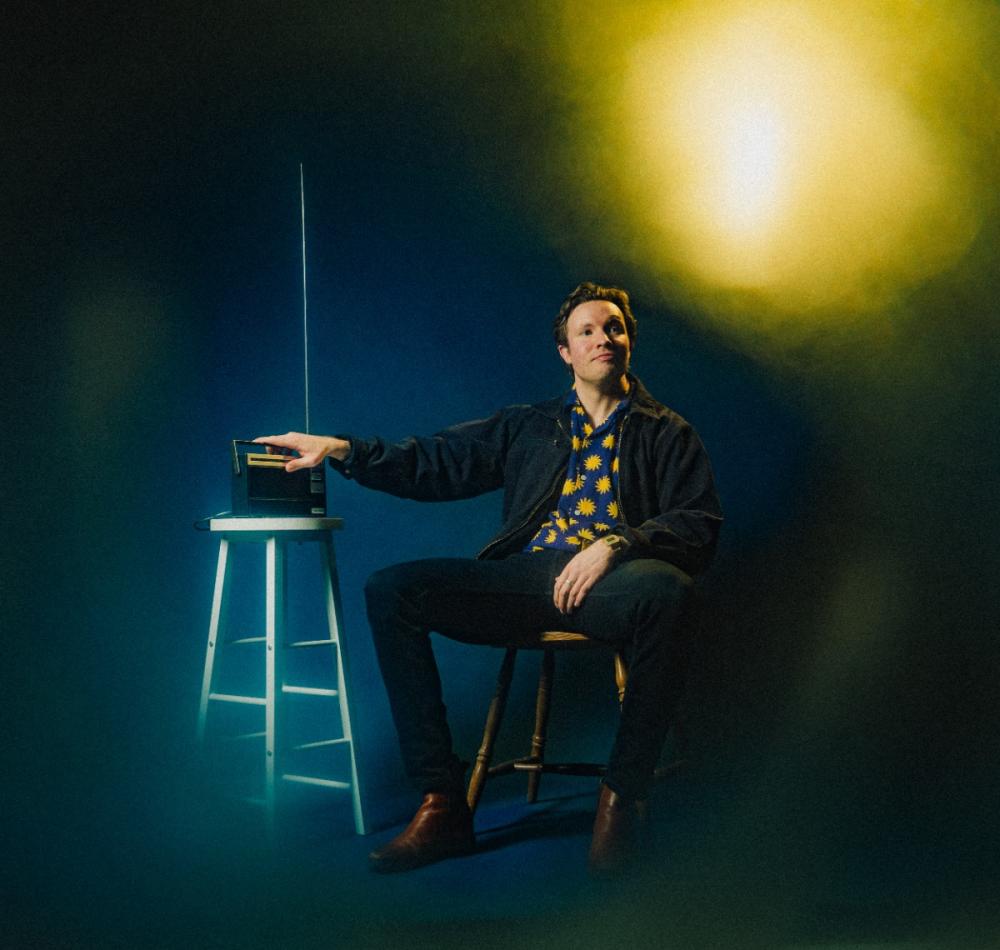
Rob Jones
That’s a good question. The truth is, I rely on the help of more talented people with better taste. I tend to bring the skeletons of songs and rough homemade demos to the band first, and we get them on their feet structurally. But a lot of the subtleties come in the studio with my producer Mark Lewis. He has a wonderful way of knowing how to build a song, layer by layer, until it feels somehow cinematic. All from a tiny room in an old office block in South Manchester.
Looking back, what has been the biggest challenge—and the biggest reward—of committing to music as a full-time career?
It’s an ongoing challenge. Building a career and an audience from nothing feels like a Sisyphean task. Every time you think you’re getting somewhere, you can be sure that something will happen to remind you just how much further there is to go. The most rewarding moments are often the smallest and quietest. The coffee break in the middle of rehearsal, the message from someone who has just discovered the album and can’t wait to tell you about it, the people who turn up at shows from all over the place just to stand quietly at the back with a beer and escape from whatever it is we’re all trying to escape from.
If listeners could take away one message or feeling after hearing Stars from beginning to end, what would you hope it is?
I’d like to say something incredibly trite and cliched, like ‘follow your dreams’. But, really, I’d just like the songs to mean something to someone the way songs have meant something to me.
Thursday 18th June - Green Note, London
Monday 22nd June - Old Toll Bar, Glasgow
Tuesday 23rd June - Cafe Etch, Middlesbrough
Thursday 25th June - Ship & Mitre, Liverpool
Monday 29th June - The Library, Oxford
Tuesday 30th June - Folk House, Bristol
Wednesday 1st July - The Grove, Nottingham
ROB JONES & THE RESTLESS DREAM - STARS
Stream Album / Download Album
SPOTIFY STREAM