Jeremy Williams-Chalmers, Arts Correspondent
Eurovision26: Søren Torpegaard Lund
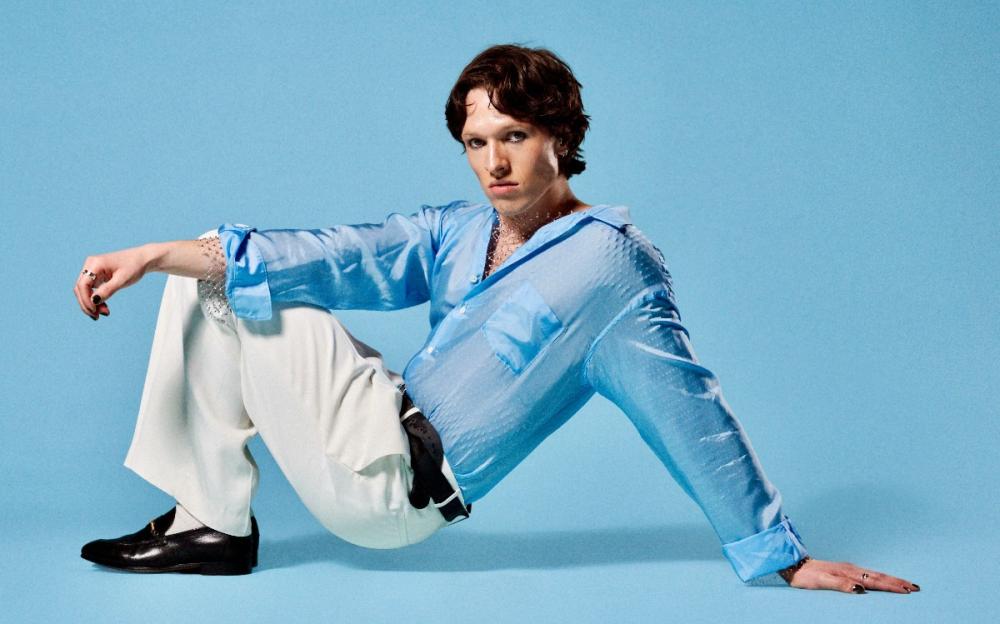
Søren Torpegaard Lund
As a result, we decided to catch up with the Danish hopeful himself, Søren — relaxed, self-aware, and quietly charismatic as he navigates the whirlwind of Eurovision attention.
“I’m feeling a mix of brave, happy and tired,” he laughs early on — an honest snapshot of life inside the Eurovision bubble.
The conversation begins playfully, with a series of quick-fire, offbeat questions. Asked whether everything happens for a reason, Søren leans philosophical: while not overtly spiritual, he finds comfort in the idea that both good and bad experiences serve a purpose — whether as lessons or redirections.
When it comes to hidden talents, however, any sense of mystique quickly dissolves. His party trick? “I can get my tongue in my nostril,” he admits, fully aware of its complete lack of usefulness — and viral potential, thanks to a now-circulating clip on Eurovision’s social media.
That blend of sincerity and self-deprecation continues when discussing public perception. While audiences may see a “cool” figure on stage, Søren insists the reality is far less polished: “Most people who know me would say I’m more… cringey, clumsy.”
There is, however, a quieter determination beneath the humour. He speaks candidly about confronting his fear of heights — recalling a nerve-wracking but ultimately rewarding trip up the Eiffel Tower — a moment that mirrors the broader leap he’s taking onto Eurovision’s vast stage.
As the interview shifts toward the contest itself, Søren’s grounded mindset becomes clear. Despite strong odds with bookmakers, he’s deliberately distancing himself from the hype.
“It’s the biggest compliment ever,” he says, “but also unnecessary pressure.” His focus instead is internal — on delivering a performance that meets his own standards rather than external expectations.
That same commitment to authenticity underpins one of his boldest decisions: performing his entry in Danish. At a contest increasingly dominated by English-language songs, and with statistics arguably against him, it’s a risk — but one he embraces fully.
“I would rather shoot myself in the foot with something I believe in,” he explains, “than try to win with something that doesn’t feel authentic.”
It’s a sentiment that feels particularly resonant in a year where native languages are making a noticeable comeback across the competition.
Søren is no Eurovision newcomer. Having previously attempted to represent Denmark, his return is driven by both passion and growth. “If I could participate every year, I would,” he admits, describing the contest as a uniquely supportive and creative space — “a family” as much as a competition.
When it comes to the performance itself, details remain tightly guarded. The core concept will remain intact, he teases, but with subtle refinements designed to elevate the staging — enough to intrigue without giving too much away.
Asked about rivals, he resists naming direct threats, even while acknowledging strong entries from countries like Finland and France. Instead, he emphasises Eurovision’s unpredictability: “There could be any wildcard… it could be me, or I could land in the bottom.”
That perspective — equal parts ambition and realism — carries through to his definition of success. While his goal is unequivocally to win, he balances that with a more personal metric: enjoying the experience and leaving the stage without regret.
Looking beyond Eurovision, Søren’s ambitions are expansive. New music, international audiences, and potential collaborations are all on the horizon. His musical tastes are as varied as his ideas — from power ballads to indie soundscapes — and he’s clearly relishing the creative possibilities the contest brings.
And as for his ultimate Eurovision icon? There’s no hesitation: Celine Dion. Her 1988 victory for Switzerland remains, in his eyes, timeless — "sensational", he calls it — a benchmark of artistry that continues to inspire.
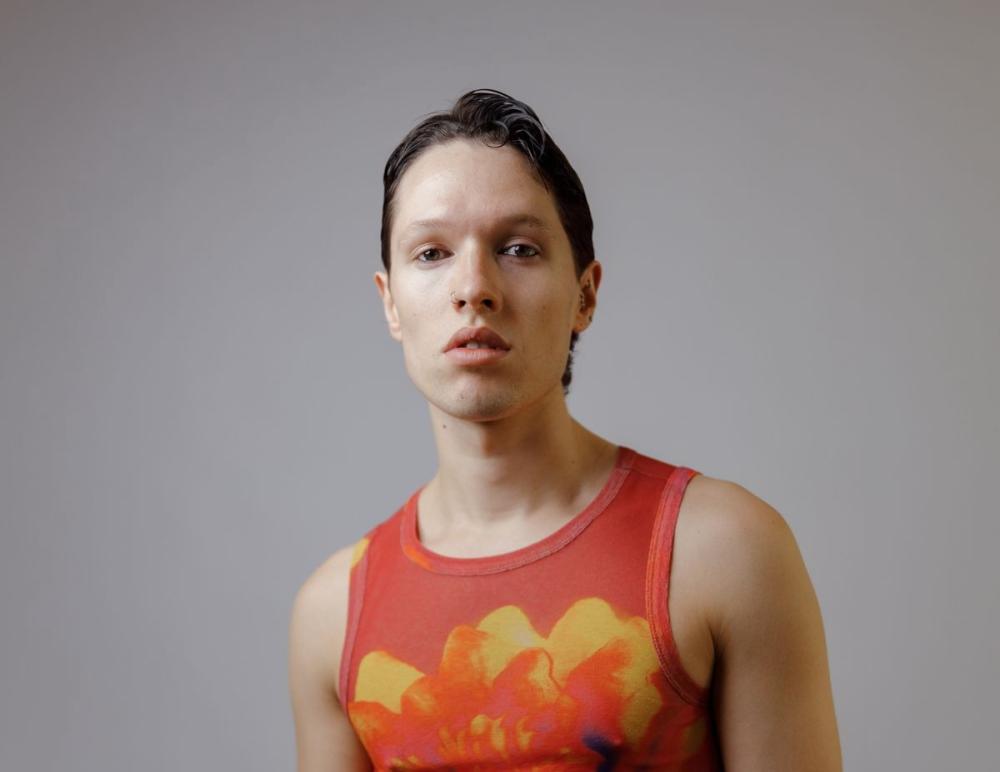
Søren Torpegaard Lund
For Denmark, it could mark a long-awaited resurgence. For Søren Torpegaard Lund, it’s already the beginning of something much bigger.
More articles in this series...
Eurovision26: SenhitEurovision26: Veronica FusaroEurovision 26: Lithuania's Lion CeccahPoland's Alicja